Tractor Supply Ads: A Reflection of Sustainable Farming Practices
Tractor Supply Company (TSC), a retail behemoth in the agricultural sector, plays a pivotal role in shaping the farming landscape. But how effectively do their advertisements reflect and promote the growing importance of sustainable agricultural practices? This article analyzes TSC's advertising strategies, examining their visual language, messaging, target audience, and overall impact on the adoption of environmentally friendly farming techniques. For example, check out these horse boots often featured in their ads.
A Visual Narrative: Deconstructing TSC's Imagery
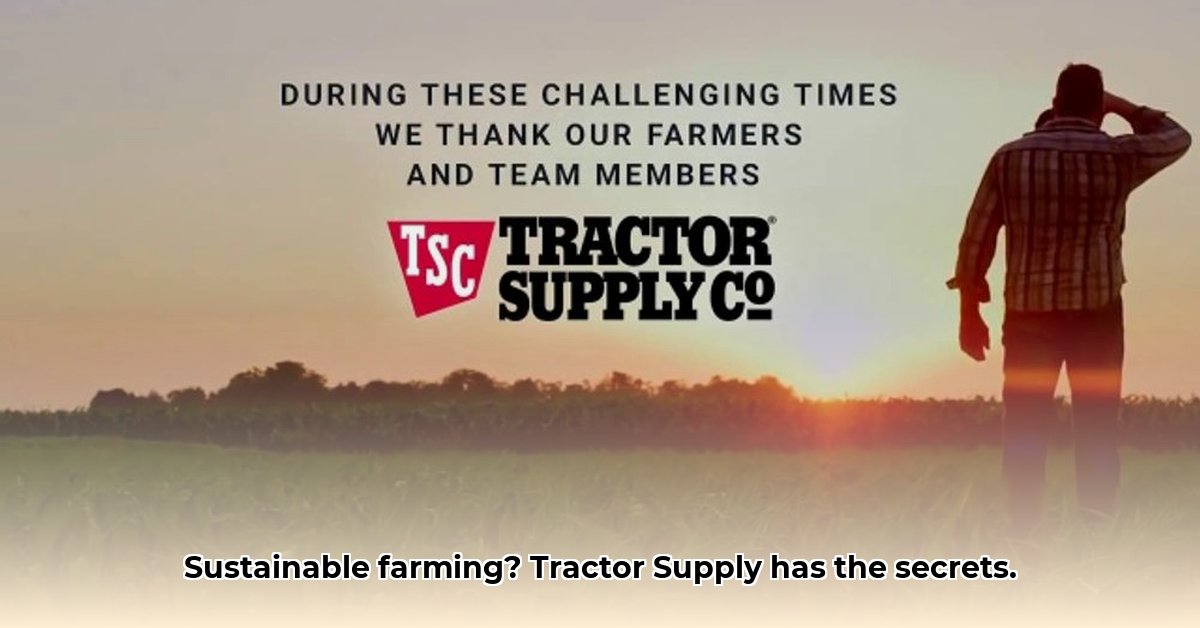
TSC's ads often feature idyllic imagery: sun-drenched fields, thriving livestock, and happy families working together. This carefully curated visual narrative subtly links their products to a desirable lifestyle—one that's both productive and environmentally conscious. However, the effectiveness of this visual storytelling hinges on whether it's truly representative of sustainable practices or simply a superficial marketing tactic. Do the visuals accurately depict the realities of sustainable farming, or do they present an overly romanticized view?
The Power of Words: Analyzing TSC's Messaging
Beyond the visuals, the actual words employed in TSC's ads are equally crucial. While some ads might explicitly mention "organic," "sustainable," or "eco-friendly" practices, others may rely on subtler messaging, focusing on efficiency and resource conservation. This variance suggests a potentially evolving approach. Does this reflect a genuine commitment to sustainable agriculture, or is it a carefully calibrated response to shifting consumer preferences and market demands? This nuanced approach requires careful scrutiny.
Evolution in Action: A Timeline of TSC's Sustainability Messaging
Analyzing TSC's advertising campaigns chronologically reveals a fascinating narrative. Early ads may have prioritized the functionality and power of their equipment, while more recent campaigns increasingly incorporate sustainable themes. This potential shift—from a focus on pure productivity to a more balanced approach encompassing environmental considerations—is key to understanding TSC's evolving priorities and their responsiveness to broader societal changes. However, it's vital to examine whether this evolution represents a genuine shift in company values or a mere response to marketing trends.
Targeting the Farmer: Audience Segmentation and Messaging
TSC's advertising likely targets a diverse audience within the agricultural community: established farmers, younger generations embracing sustainable practices, and even hobby farmers. Understanding how TSC segments its audience and tailors its messaging to resonate with each group's values and concerns is crucial for assessing the overall impact of their advertising. Do the ads effectively reach those most interested in adopting sustainable methods?
Impact and Implications: Measuring the Effectiveness of TSC's Ads
The ultimate measure of success for TSC's advertising is its tangible impact on farming practices. Do their ads directly influence farmers' buying behaviors and adoption of sustainable technologies? To answer this, we need to examine sales data correlated with specific ad campaigns, conduct consumer surveys, and compare TSC's approach to competitors. This comprehensive analysis will reveal whether the ads are merely generating sales or genuinely contributing to the broader adoption of environmentally friendly farming practices. A critical aspect to consider is the financial implications for farmers. Transitioning to sustainable methods often requires significant capital investment. Do TSC's ads acknowledge these financial realities and offer practical solutions or support for farmers navigating this transition?
Conclusion: The Role of Advertising in Shaping Sustainable Agriculture
Tractor Supply Company's advertising holds considerable power in shaping the future of sustainable agriculture. By closely analyzing their campaigns—their visual and textual strategies, target audiences, and overall impact—we gain valuable insights into the effectiveness of marketing in promoting environmentally responsible farming. Further research, including quantitative analysis of sales data and qualitative analysis of farmer perceptions, is needed to fully assess the extent to which TSC’s advertising is contributing to a more sustainable agricultural landscape. The findings will inform not only TSC's future advertising strategies but also the broader conversation on the crucial role of marketing in fostering a more environmentally responsible food system.